June 15, 2026
Recycling and waste sorting involve much more than simply hauling unwanted items away. Once materials leave homes, businesses, and job sites, they enter a carefully organized system designed to recover valuable resources and reduce landfill waste. Modern waste management facilities use a combination of transportation networks, sorting technologies, recycling processes, and environmental safeguards to handle discarded materials responsibly. Understanding what happens after waste is collected helps illustrate the importance of sustainable disposal practices. Working with a responsible dumpster rental company can also play a major role in supporting recycling efforts and reducing environmental impact.
Understanding the Transportation Process
The recycling journey begins when waste is collected from homes, businesses, construction sites, and industrial facilities. Collection crews gather materials using specialized vehicles designed to transport large volumes efficiently. Proper collection helps prevent waste buildup while keeping communities clean and safe.
Many municipalities encourage residents to separate recyclables, compostable materials, and general trash before collection. This simple step improves recycling rates and reduces contamination. According to ZIPDO Education, nearly 70% of consumers prefer junk removal providers that include recycling and donation options when handling unwanted items. This growing preference reflects increasing public interest in environmentally responsible disposal solutions.
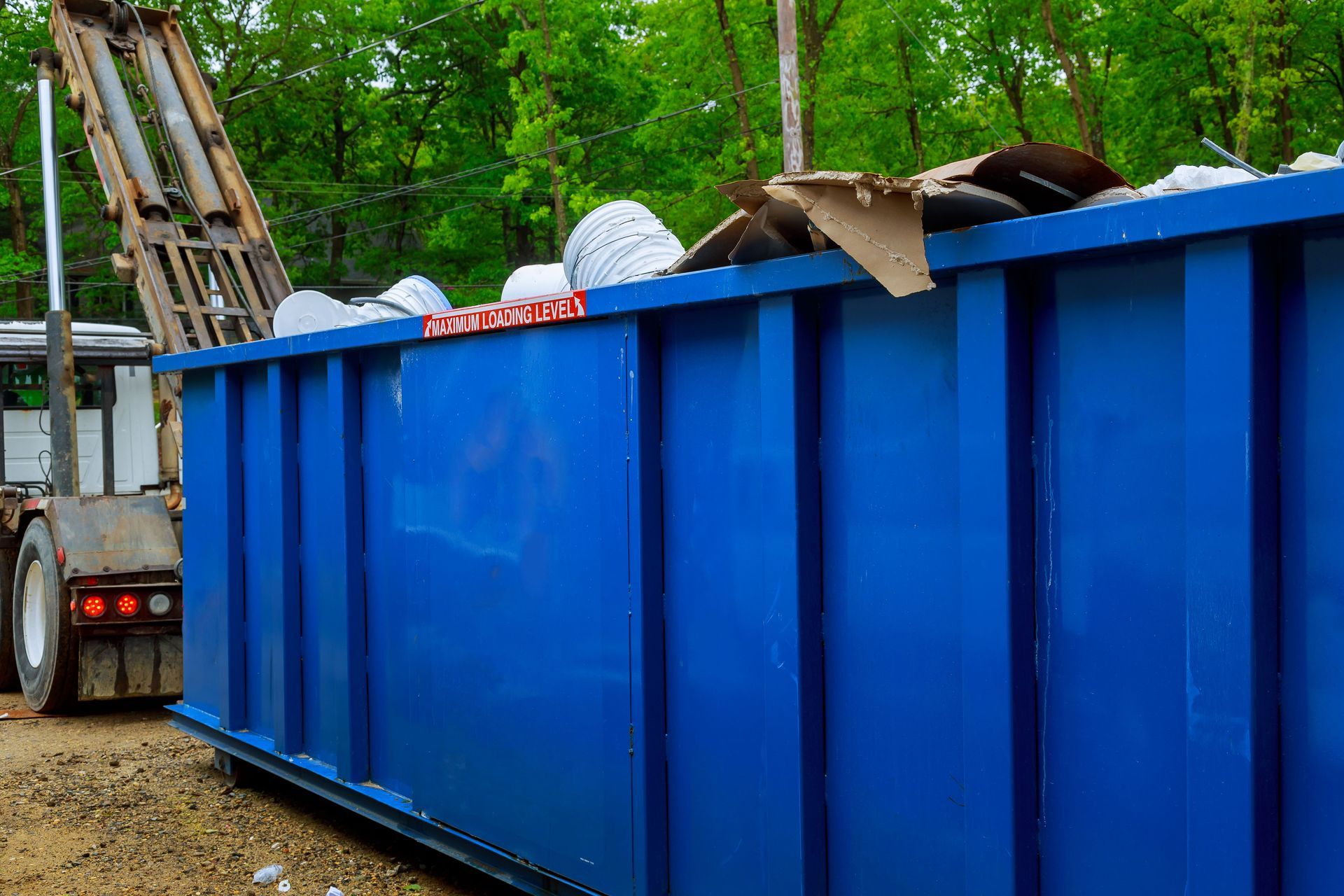
After collection, waste is transported to material recovery facilities where sorting begins. Efficient transportation is essential because delays can disrupt processing schedules and create operational bottlenecks. Transfer stations often serve as temporary holding locations where waste is consolidated before being shipped to larger facilities. This system reduces transportation costs and limits emissions by decreasing the number of long-distance trips required.
A professional dumpster rental company often works closely with disposal and recycling facilities to ensure collected materials are directed toward the appropriate processing locations. Proper transportation planning helps maximize recycling opportunities while reducing unnecessary landfill disposal.
Exploring Modern Waste Transportation Systems
Waste transportation has evolved significantly in recent years. Traditional garbage trucks remain widely used, but many organizations are investing in newer technologies to improve efficiency and sustainability. GPS route optimization systems help drivers reduce fuel consumption and shorten collection times.
Some communities have introduced electric or hybrid waste collection vehicles to lower emissions. Specialized trucks are also used for construction debris, recyclable materials, and oversized waste. These vehicles are designed to safely transport different types of materials while meeting environmental regulations.
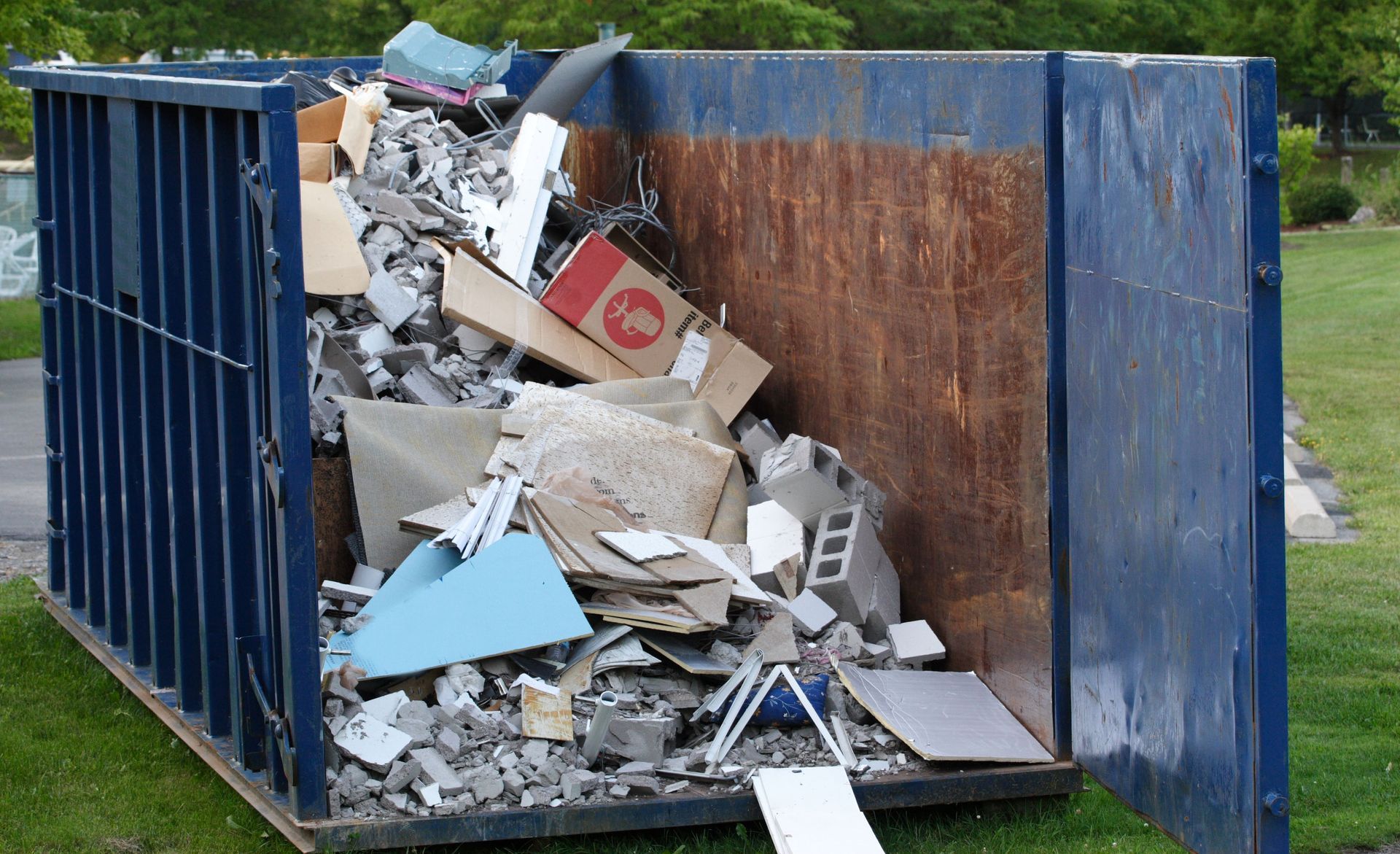
Transfer stations continue to play an important role in the process. By consolidating waste from multiple routes, they improve transportation efficiency and reduce operational costs. These facilities also help streamline movement between collection points and recycling centers. For large renovation or construction projects, a dumpster rental company helps ensure materials are gathered efficiently and delivered to facilities equipped to sort and process them properly.
Understanding the Sorting Process
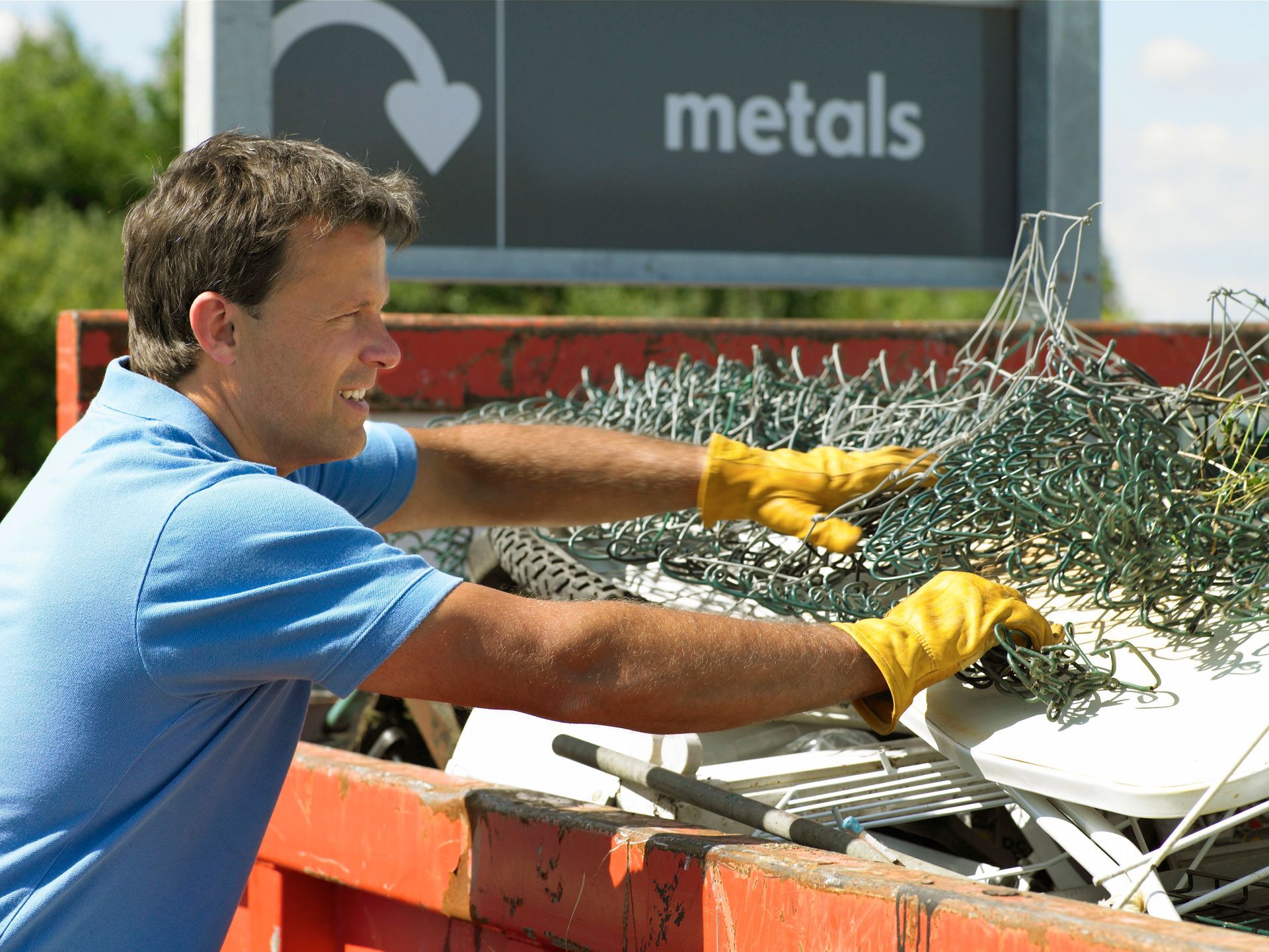
Once waste arrives at a material recovery facility, sorting begins. This stage is critical because effective sorting determines how much material can be recycled and reused. The goal is to separate mixed waste into categories such as metals, plastics, paper, glass, and other recoverable resources. The first phase often involves removing large objects and separating materials based on size or weight. Conveyor systems, screens, and mechanical separators help organize incoming waste streams before more detailed sorting occurs.
Human workers still play a valuable role in identifying contaminants and removing materials that could interfere with recycling operations. Their expertise complements automated systems and helps improve overall accuracy. A reliable dumpster rental company supports this process by encouraging proper disposal practices that reduce contamination before materials even reach sorting facilities.
Utilizing Advanced Sorting Technology
Modern recycling centers rely heavily on technology to increase efficiency and recovery rates. Optical scanners can identify different types of plastics based on their chemical composition. Magnets separate ferrous metals, while eddy current systems remove non-ferrous metals such as aluminum.
Artificial intelligence and robotic sorting systems have become increasingly common. These machines can identify specific materials at high speeds and improve sorting accuracy over time through machine learning capabilities. Automated systems allow facilities to process large volumes of waste while reducing labor demands.
Additional technologies such as infrared sensors and X-ray systems help identify materials based on density and composition. These innovations allow facilities to recover more recyclable materials while minimizing contamination. The effectiveness of these technologies often depends on the quality of incoming waste. When customers use a dumpster rental company that promotes responsible waste separation, facilities can achieve higher recycling rates and better material recovery.
Separating Recyclable Materials
After initial sorting, materials move through specialized processes designed to separate recyclable commodities into distinct categories. Plastics are grouped by resin type, paper products are categorized by grade, and metals are divided according to composition.
Glass undergoes color sorting to improve its value and recyclability. Paper products are separated based on quality and fiber content. Plastics are carefully categorized because different plastic types require different recycling methods.
Proper separation helps ensure recycled materials meet manufacturing standards. High-quality recovered materials can be transformed into new products, reducing the need for raw resource extraction. A dumpster rental company that educates customers about acceptable materials can help improve the quality of recyclable loads and support more efficient processing.
Reducing Contamination Challenges
Contamination remains one of the biggest obstacles in recycling operations. Food waste, hazardous materials, and improperly sorted items can reduce the value of recyclable materials or render them unusable. Contaminated loads often require additional sorting or may be diverted to landfills altogether. This increases costs and limits environmental benefits.
Public education and responsible disposal habits are essential for minimizing contamination.
Recycling facilities invest heavily in equipment and personnel to address contamination issues, but preventing contamination at the source is far more effective. Individuals and businesses can contribute by following disposal guidelines and separating materials properly. Choosing a dumpster rental company that provides clear instructions regarding acceptable waste can significantly reduce contamination and improve recycling outcomes.
Examining the Recycling Process
Once materials are sorted and cleaned, they enter the recycling phase. Different materials undergo specialized processing techniques that prepare them for reuse in manufacturing. Metals are shredded and melted into raw materials for new products. Paper is pulped and processed into recycled paper goods. Plastics are cleaned, melted, and transformed into pellets that manufacturers use to create new items.
These processes conserve natural resources by reducing demand for virgin materials. Recycling also helps lower energy consumption and greenhouse gas emissions compared to producing materials from raw resources. The success of recycling programs depends heavily on consistent material recovery. Working with a dumpster rental company that prioritizes recycling can help divert significant amounts of waste from landfills.
Supporting Sustainability Through Responsible Waste Management
Modern recycling systems contribute significantly to environmental sustainability. By recovering reusable materials, communities reduce landfill dependence and preserve valuable natural resources. Recycling also supports economic growth by creating jobs in collection, transportation, processing, and manufacturing sectors.
Technological innovations continue to improve recycling efficiency and expand the range of materials that can be recovered. As sustainability becomes increasingly important, waste management systems will continue evolving to meet environmental and economic goals.
Businesses and property owners can support these efforts by partnering with a dumpster rental company that values responsible disposal practices and recycling initiatives. Thoughtful waste management decisions today contribute to cleaner communities and a healthier environment for future generations.
The journey of waste does not end once it is hauled away. Through transportation networks, sorting facilities, advanced technology, and recycling processes, discarded materials can be transformed into valuable resources that benefit both the economy and the environment. Effective recycling systems reduce landfill use, conserve raw materials, and support long-term sustainability goals.
Understanding what happens after collection highlights the importance of proper disposal and waste separation. Every effort to recycle correctly helps improve recovery rates and reduce environmental impact. When you need dependable waste management solutions, trust F & C Dumpster Rental LLC. Our team is committed to helping customers manage waste responsibly while supporting recycling efforts that contribute to a cleaner and more sustainable future. Contact us today!